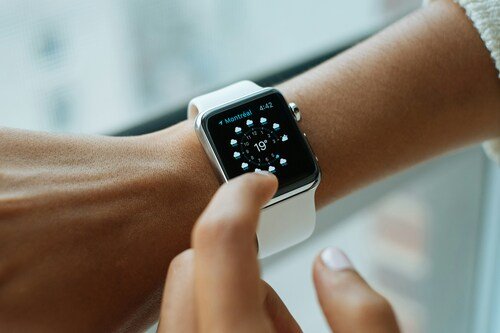
Introduction to Smartwatches
Smartwatches have emerged as a significant technological advancement in our daily lives, evolving from traditional timepieces into multifunctional devices that offer a wide array of features and capabilities. These innovative gadgets combine the functions of a wristwatch with the features of a smartphone, allowing users to monitor their health, access notifications, track fitness, and manage various applications right from their wrists. This evolution signifies a drastic shift in how we perceive and utilize timekeeping devices.
The first smartwatches simply functioned as a digital display of time and notifications, but as technology advanced, so too did their functionalities. Modern smartwatches now come equipped with sensors that can monitor heart rate, track sleep patterns, measure physical activity, and even facilitate banking transactions. Additionally, many models support third-party applications, enhancing their versatility and appeal. This adaptability attracts individuals seeking both convenience and health benefits, making smartwatches an essential companion for many.
The increasing popularity of smartwatches can be attributed to several factors. First, the growing emphasis on health and fitness has driven consumers to embrace devices that can facilitate health monitoring and personalized goals. Furthermore, the integration of advanced technology has made smartwatches more accessible and user-friendly than ever before. With styles ranging from sporty to elegant, there is a smartwatch to fit every aesthetic preference, contributing to their widespread appeal.
As we continue to witness rapid advancements in wearable technology, smartwatches are likely to further integrate with our daily routines, enhancing not only our productivity but also our overall well-being. This remarkable transformation in timekeeping illustrates the growing intersection of technology and lifestyle, with smartwatches leading the charge in reshaping our approach to time management and health monitoring.
Health and Fitness Monitoring
Smartwatches have significantly transformed the landscape of health and fitness monitoring, providing users with a comprehensive suite of tools that promote better wellness and lifestyle choices. One of the most valuable features of these devices is heart rate tracking, which allows individuals to monitor their cardiovascular health in real time. This functionality is crucial for those engaged in regular physical activity, as it enables them to adjust their exertion levels accordingly.
Moreover, the inclusion of sleep monitoring capabilities has further solidified the smartwatch’s role in personal health management. Sleep is an essential component of overall health, and understanding sleep patterns can empower users to implement changes that lead to improved rest, ultimately enhancing daily productivity. By providing insights into sleep duration and quality, smartwatches encourage users to prioritize their sleep health.
In addition to tracking heart rates and monitoring sleep, many smartwatches integrate seamlessly with various fitness applications, creating an ecosystem that supports users in achieving their wellness goals. These applications often provide personalized workout plans, nutrition tracking, and even social sharing options that foster motivation among users. The combination of these features not only encourages regular physical activity but also helps cultivate a community of like-minded individuals striving towards common health objectives.
The impact of health features embedded in smartwatches is notable in users’ daily routines. As more individuals embrace these technologies, there is a significant shift toward an active lifestyle, with wearers often becoming more conscious of their health choices. By leveraging the data collected by wearable technology, users are inspired to set and meet specific fitness targets, paving the way for a healthier future. In conclusion, the transformative impact of smartwatches on health and fitness monitoring is evident, making them an essential tool for those looking to enhance their well-being.
Connectivity and Communication
In today’s fast-paced world, maintaining connectivity and efficient communication is paramount. Smartwatches have emerged as pivotal devices that facilitate seamless interaction, allowing users to manage their communications directly from their wrists. These wearable technologies are designed to enhance the user experience by integrating various communication capabilities that traditionally required smartphones.
One of the primary features of smartwatches is their ability to receive and display calls and messages, providing a convenient alternative to fumbling with phones in social or professional settings. With just a glance at their wrist, users can view notifications from multiple messaging platforms, including texts, emails, and instant messaging apps. Such immediacy reduces the need to constantly reach for a smartphone, thereby streamlining interactions and allowing individuals to prioritize their engagements effectively.
Moreover, smartwatches enable voice communication through features like calling and voice messaging. This hands-free option is particularly advantageous in situations where using a phone may be impractical, such as while driving or during an exercise routine. Users can effortlessly answer calls or send quick replies with minimal distractions, thereby enhancing safety and productivity.
The implications of these communication capabilities extend into both personal and professional spheres. On a personal level, families and friends can maintain closer connections through quick responses and notifications, ensuring they remain in touch regardless of busy schedules. In workplaces, smartwatches serve as vital tools for improving workplace efficiency by allowing employees to stay informed about important messages and updates during meetings and while multitasking.
Overall, the integration of communication features in smartwatches not only improves individual connectivity but also transforms how people interact with each other in both personal and professional contexts. By facilitating efficient exchanges of information, these devices have become essential companions in daily life.
The Future of Smartwatches in Daily Life
The landscape of smartwatches is evolving rapidly, with significant implications for daily life as we move further into the digital age. Emerging trends indicate a profound integration of smartwatches with various smart home devices, creating a more cohesive ecosystem that enhances user experience. As smart homes become more prevalent, it is anticipated that smartwatches will serve as central hubs for controlling everything from lighting to security, allowing users to manage their homes efficiently and conveniently.
Advancements in health technology represent another critical aspect of the future of smartwatches. With increasing attention to personal health and wellness, smartwatches are developing advanced features such as continuous glucose monitoring and enhanced heart rate tracking. These innovations not only empower users to take charge of their health but also facilitate timely interventions in health-related issues. As wearable technology continues to evolve, the scope of health-related applications is expected to expand significantly, thereby becoming an integral part of daily routines.
However, with these advancements come challenges that warrant discussion. Privacy concerns remain prominent, as the collection of sensitive health data through smartwatches raises potential risks. Users may feel apprehensive about the possibility of data breaches, leading to an increased demand for regulations that protect personal information. Moreover, the reliance on technology presents a potential risk of over-dependence, as individuals may develop a habitual reliance on their devices for even minor daily tasks. This dependency might dilute personal interactions and experiences.
In conclusion, the future of smartwatches appears promising, with technology poised to significantly reshape daily life through innovations in smart home integration and health monitoring. However, it is crucial to address the accompanying challenges to ensure that the benefits of this technology are realized without compromising users’ privacy and social interactions.